


#1
Inspections & Appraisals
Important Tips to Keep in Mind During the Process.
The Process
Initial Agreement and Deposit
An executed purchase agreement is a legal arrangement between the buyer and the seller that sets the terms of the transaction. To protect all parties and keep the process on track:
- Maintain written records of everything, including verbal agreements, counter-offers, and addendums. We can assist in drafting and distributing all written documentation.
- Respect the agreed-upon timeline. Both parties will work within a defined schedule to complete each stage of the closing process.
The Closing Agent
Once both parties have signed the purchase agreement, a title company or attorney will serve as the escrow or closing agent, and you will deposit your earnest funds. The escrow agent is a neutral third party responsible for holding, receiving, and distributing all funds associated with the transaction through to the closing date. They will research the full history of the property to confirm the title is clear of encumbrances and that any new encumbrances are recorded correctly. All contingencies outlined in the Purchase Agreement must be satisfied before escrow can close and ownership can transfer.
How To Hold Title
There are several legally recognized ways to hold title, or ownership, of a property. Each method carries different implications for ownership transfer, financing, collateralization, and taxation. We recommend consulting with a qualified attorney or tax advisor before deciding which structure is right for your situation. We are happy to connect you with trusted professionals in these fields.
Inspections
As part of the contingencies in your Purchase Agreement, you will schedule a licensed inspector to evaluate the property within the agreed-upon timeframe. Inspectors will assess the overall condition of the property and identify any issues that may require attention. Depending on the property, you may also choose to engage specialists, such as roofing or plumbing inspectors, for a more detailed review of specific systems. For commercial properties, a lending institution may require an environmental audit or soil test as part of their approval process.
If inspections reveal concerns not addressed in the Purchase Agreement, you may request a renegotiation of terms, typically the purchase price. Once you are satisfied with the inspection results and the agreed-upon terms, the contingencies will be formally removed.
Appraisals And Lending
Maintain regular contact with your lender throughout the process to ensure you are notified promptly when new documents are needed. If the Purchase Agreement is contingent upon financing, the lender will require an independent appraisal of the property by a licensed third-party appraiser. The appraiser will evaluate the property's value based on a range of factors, including building costs, square footage, operating income, and comparable sales in the area. Confirm with your lender approximately two weeks before closing that the loan approval is on track and on schedule.
Association Approval
Some properties require approval from a homeowners or community association prior to closing. If this applies to your purchase, request all relevant rules, regulations, and required documents from the seller as early as possible. The Purchase Agreement will establish a timeline for submitting paperwork and completing any appointments required by the association. Once approved, your closing agent will request the original approval letter to be recorded with the deed in the county record books at closing.
Property Insurance
Standard property insurance protects against losses from fire, theft, and certain weather events such as wind or hail. While most states do not mandate coverage for property owners, most mortgage lenders will require it as a condition of the loan. Depending on how you intend to use the property, you will need either homeowners insurance if you plan to occupy the home, or landlord insurance if you plan to lease it as an investment property.
Schedule a consultation using the form , and let's start the conversation.
Get In Touch
Tips For Buying The Perfect Home

Don’t Max Out Your Budget
Being approved for a maximum loan amount does not mean committing every dollar of it to the purchase price. Reserve funds for closing costs, taxes, and any repairs or improvements the property may require.

Get To Know The Area
Spend time in the neighborhoods you are considering. Proximity to schools, shopping, transit, and daily conveniences all contribute to long-term satisfaction and resale value.

Do Not Skip The Home Inspection
A professional inspection is one of the most valuable investments you can make in the buying process. It surfaces issues that may not be visible to the eye and gives you the information needed to negotiate from a position of knowledge.

Get Pre-Approved
Pre-approval signals to sellers that you are a serious, prepared buyer. It removes ambiguity from the process and strengthens your position when it is time to make an offer.
One Partner For All Your Real Estate Needs

What Price Range Can I Afford?
Resources For Orlando Home Buyers
The journey to homeownership starts by understanding how much you can afford. One major thing to consider is your down payment, if any. Many consumers believe it's impossible to buy a home without at least 20 percent down. But thanks to various government-sponsored programs, many people can now buy a house with as little as 3.5 percent toward a down payment. Veterans of the U.S. military have zero-down programs available.
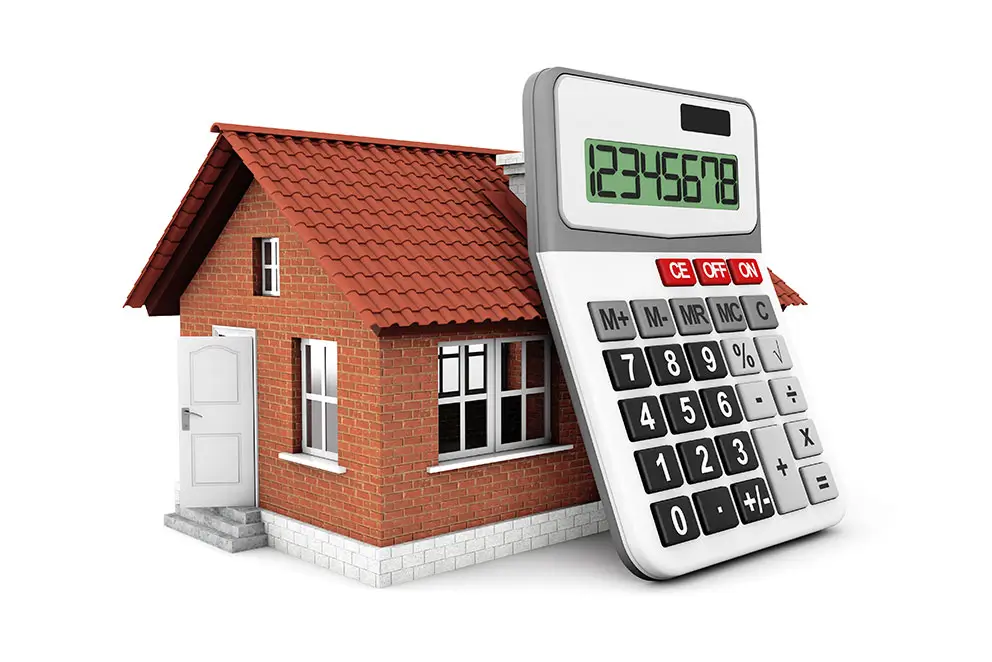
Finding a knowledgable Mortgage Loan Officer is key to recieving the most up-to-date information on available lending options. Feel free to check out or vetted list of preffered lenders below - or, if you just want to run some quick rough numbers, check out our free mortgage calculator.
Areas of Service
Local market expertise across Orange, Seminole, Osceola, Lake, and Northern Polk.
-
![Orlando Thumbnail]() Orlando
Orlando
-
![Longwood Thumbnail]() Longwood
Longwood
-
![Kissimmee Thumbnail]() Kissimmee
Kissimmee